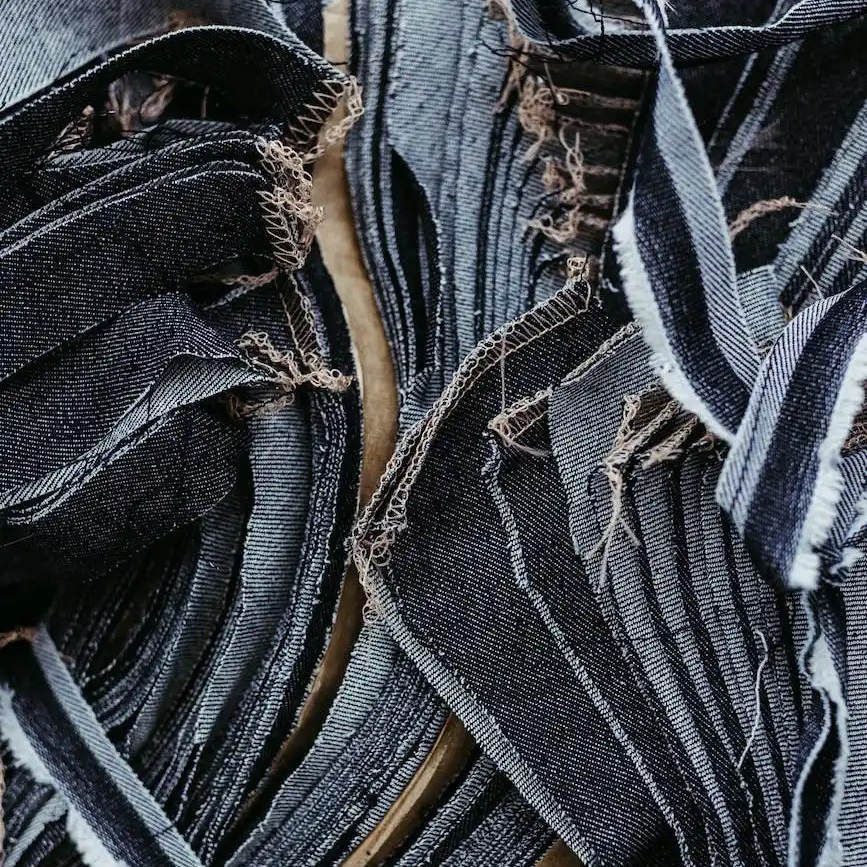
Why your things are fading faster than ever.
Have you noticed how quickly things you buy nowadays seem to fall apart? It’s not just in your head. Everything is deteriorating at an alarming rate. From clothes to gadgets, the quality just isn’t what it used to be. In this blog, we’ll dig deep into the reasons behind this rapid decline. We’ll explore the impact of fast fashion, speedy technology, planned obsolescence, demand-driven fashion, social media influence, the never-ending cycle of replacements, the use and toss culture, and the right to repair. Join us on this eye-opening journey as we uncover the forces behind this worrying trend and its consequences for consumers like you.

- Fast Fashion: A World of Fleeting Trends Fast fashion brands like Zara and H&M have changed the game, offering affordable, trendy clothes. But their emphasis on speed and low prices often means sacrificing quality. Did you know that people now buy four times more clothing than they did in the 1980s, but keep it for only half as long? This disposable fashion culture leads to a mountain of textile waste and harms the environment.
- Speedy Technology: The Pursuit of the Latest and Greatest Tech giants like Apple and Samsung release new gadgets with mind-boggling features at lightning speed. However, these constant advancements come at a cost – shorter device lifespans. Research shows that the average American replaces their smartphone every 2.8 years. This never-ending cycle of upgrades generates electronic waste and depletes precious resources.
- Planned Obsolescence: The Art of Shortening Lifespans Planned obsolescence is a sneaky strategy used by manufacturers to intentionally reduce how long their products last. One famous example is the light bulb industry. In the 1920s, a group called Phoebus limited the lifespan of light bulbs to just 1,000 hours. Today, planned obsolescence is everywhere, from smartphones with sealed batteries to software updates that make older devices slower or incompatible.
- Demand-Driven Fashion: The Social Media Effect Social media has a significant influence on fashion trends and our buying habits. Influencers and celebrities flaunt new styles, creating a craving for the latest fashion must-haves. Research reveals that exposure to idealized images on social media can lead to dissatisfaction with our own belongings and a longing for shiny new things. This constant pressure to keep up fuels the rapid turnover of clothing items.
- The Never-Ending Replacement Cycle: Out with the Old, In with the New Fast fashion and technology have pushed us into a never-ending cycle of replacements. For instance, the average lifespan of a smartphone has dropped from 5-6 years in 2014 to just 2-3 years in 2020. We’re caught up in the desire for the newest and coolest, leading to a throwaway culture where older items are tossed aside for the next big thing. The pursuit of the latest and greatest has become ingrained in our shopping habits.
- Use and Toss Culture: Convenience Comes at a Cost In our fast-paced lives, convenience often triumphs over durability. We’ve grown accustomed to disposable products that offer quick solutions but lack longevity. Single-use plastics like straws and water bottles epitomize this use and toss mentality. While it’s convenient, it fuels waste and contributes to the degradation of the things we buy.
- The Right to Repair: Championing Sustainable Consumption The right to repair movement fights for our ability to fix and extend the life of our products. Some manufacturers make repairs difficult by using proprietary parts or designing products that discourage fixing. However, there’s a growing push for the right to repair and reducing unnecessary waste. France has even passed laws that require manufacturers to provide repair information and spare parts for certain products.
As consumers, we have the power to make a difference. By making more conscious choices, supporting ethical and sustainable brands, and demanding products built to last, we can challenge this disposable culture. Let’s choose quality over quantity and pave the way for a more sustainable and enduring future.
Powered by Decoté.

 Stylegeist